Cavity treatments





Common cavity symptoms
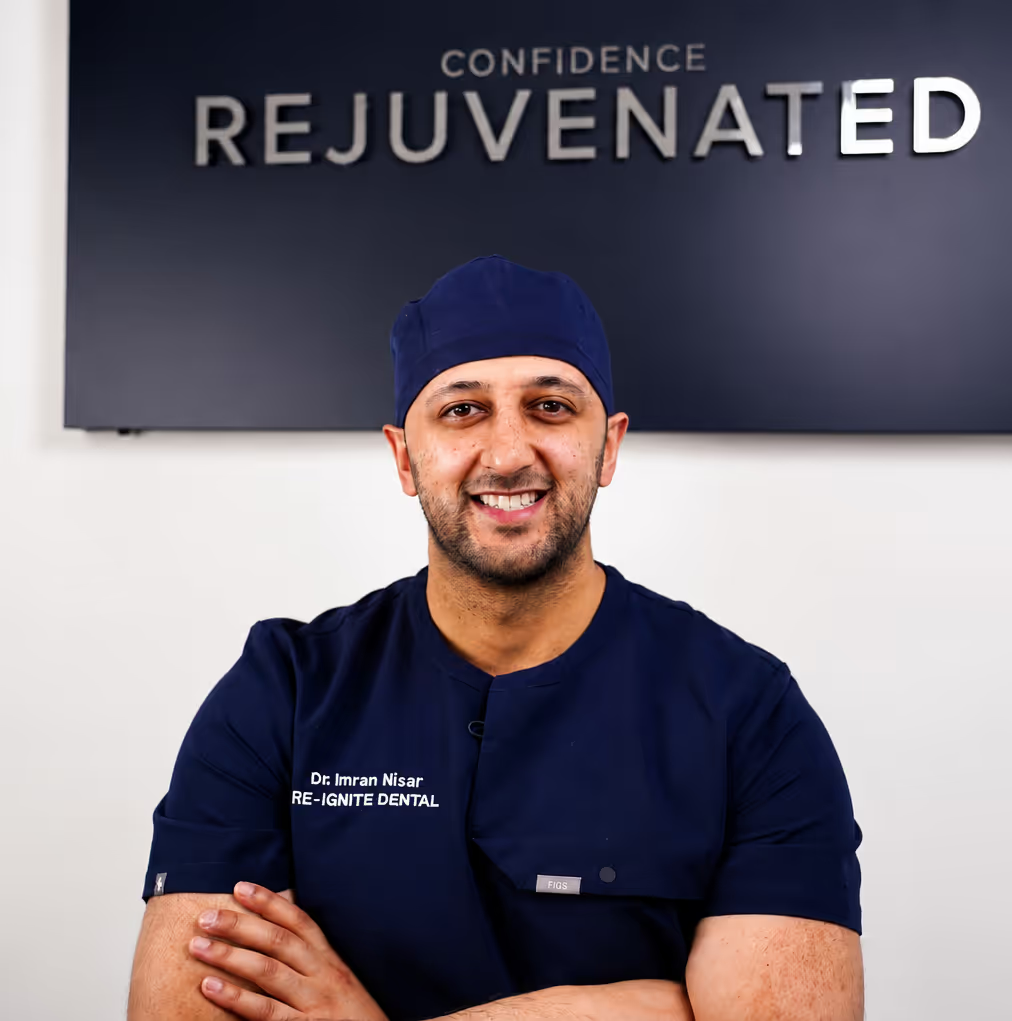
Even small cavities, if untreated, can lead to pain, infection, and tooth loss. Dr. Imran uses minimally invasive techniques to restore your teeth to full health.
Sensitivity to hot, cold or sweet foods
Visible holes or dark areas
Toothache or pain on biting
Bad breath or unusual tastes
What are cavities?
Cavities occur when tooth enamel is damaged by acids produced by plaque bacteria. If not treated early, this can progress deeper into the tooth and lead to pain or infection. Early detection allows for simpler, more conservative treatment.
Composite (white) fillings
Blend naturally with your teeth

Inlays & onlays
Precision restorations for larger defects

Crowns
For teeth weakened by extensive decay
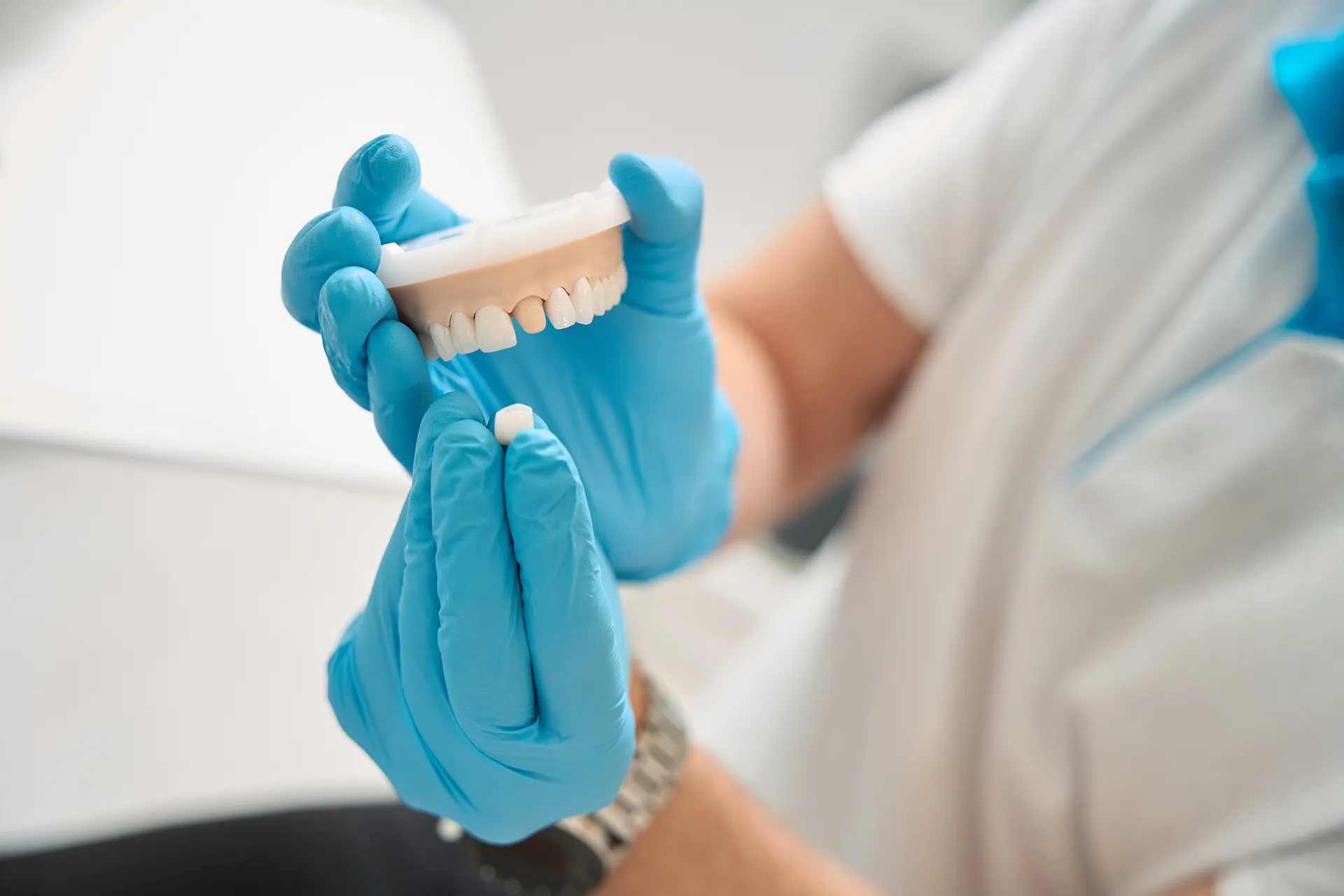
Root canal treatment
When decay reaches the nerve
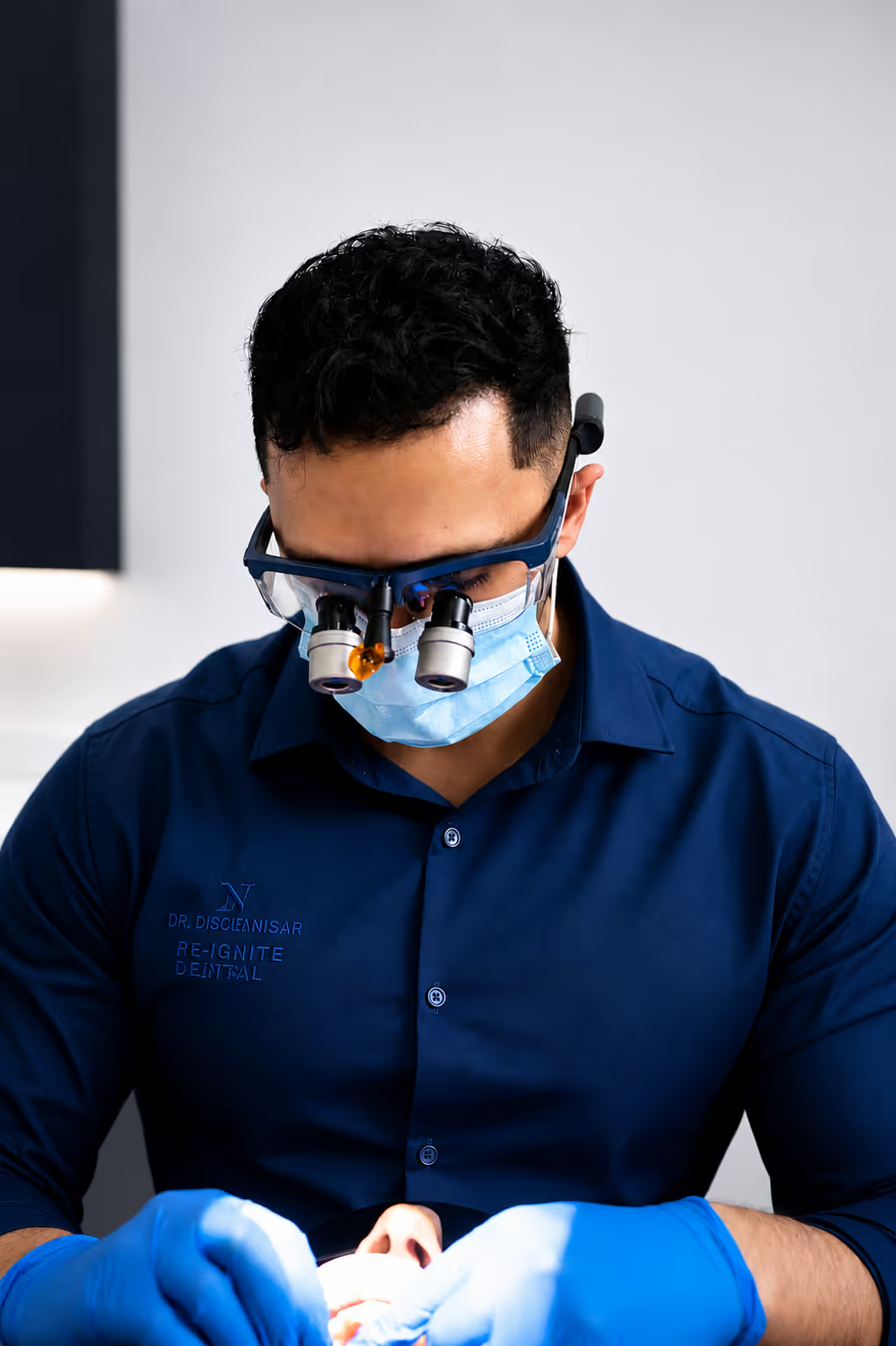
Prevention focus
Preventive care plays a key role in reducing the risk of cavities and maintaining long-term oral health. Our team will guide you on simple, effective habits to protect your teeth.
What our patients say...
I recently had composite bonding done and I honestly couldn’t be happier with the results! From start to finish, I was so nervous at first but the place and atmosphere was so calming and the whole experience was professional, comfortable, and completely stress-free. The attention to detail was amazing and everything was explained clearly before starting.
I'm a very nervous patient and found the treatment I received from Re-Ignate to be excellent. I was put at ease too by the sympathetic, professional Receptionist and Nicky, who made follow up calls. The after care was brilliant. Would highly recommend this practice.
I went to Reignite Dental with a broken tooth and was so nervous about the whole process. Dr. Imran was incredibly kind and reassuring, taking the time to explain everything clearly and put me at ease. I’m currently in the healing process for my dental implant, and everything has gone so smoothly so far. Even though I was extremely anxious at the start, I now feel very confident that I’m in the right hands. The whole team has been professional, caring, and supportive throughout. I couldn’t recommend Reignite Dental enough! Thank you!
I’ve had such a great experience with all of the team from initially contacting the team to completing my treatment plan. Dr Imran is amazing at his job and I felt I was in safe hands throughout. Thank you so much! I’ll be telling all of my friends and family about this practice 🙂
Great service, super friendly and would come back again. The team managed to a schedule me in for a same day appointment as an emergency! Thanks so much would highly recommend!
As a new patient, I was impressed from the outset by how efficient and well-organised the onboarding process was. Registration, medical history and initial assessments were handled smoothly, with clear communication throughout.The whole team are friendly, approachable and professional — you feel looked after the moment you walk in. The practice also uses advanced digital scanning and high-technology software, which really elevates the patient experience. Seeing detailed imaging and treatment planning in real time adds clarity and reassurance. It’s clear this is a modern, forward-thinking practice investing in technology to improve care. A genuinely positive experience from start to finish.
Absolutely 100% recommend this dental practice, the whole team are lovely. I had root canal treatment at a reasonable cost. Dr Imran is very impressive as I felt no pain and was made to feel comfortable throughout the whole procedure. The before, during and after care from the friendly dental nurses and reception team is brilliant and authentic, they really do care about your experience as a patient. Thank you so much.
Absolute sensational end results!!! I have just finished my bonding and my teeth look like a dream the team are also very lovely and make you feel right at home as well as being professional. Would 1000% recommend for anyone looking for treatment big thank you to all the staff 👍
I recently had composite bonding, whitening and a scale and polish at Re-Ignite. I couldn’t speak more highly of my experience, my teeth look extremely natural yet perfect. Between Imran, Mia, Leah and Freya, my experience was 10/10 and I’d highly recommend.
Your cavity questions answered simply.
We keep everything straightforward so you always know what to expect. Here are some of the most common questions new patients ask.
What are the early signs of a cavity?
Early signs can include sensitivity to hot, cold or sweet foods, mild discomfort when biting, or visible dark spots on the tooth.
Do cavities always need fillings?
In early stages, decay can sometimes be stabilised with preventive care. More advanced cavities usually require a filling to restore the tooth.
Is cavity treatment painful?
Treatment is typically comfortable. Local anaesthetic is used where needed to ensure the procedure is pain-free.
Book your cavity consultation in Manchester
If you are experiencing tooth sensitivity, pain or think you may have a cavity, our team can assess your teeth and recommend the most appropriate treatment.